Debunking ten common myths about gambling what you need to know
Understanding the Odds
One of the most prevalent myths about gambling is that players can significantly influence the outcome of games through strategies or systems. While skill can play a role in certain games, such as poker, many casino games are based on random chance. Understanding the odds is crucial; the house always has an edge, meaning that over time, the casino will profit from the games they offer. Players exploring options should consider platforms like non gamstop casino for their gaming needs.

Moreover, believing that one can “beat the house” consistently is a misconception that can lead to irresponsible gambling behavior. Players should focus on enjoying the entertainment aspect of gambling rather than expecting guaranteed winnings. Educating oneself about the odds can help in making informed decisions while participating in any gambling activity.
The Gambler’s Fallacy
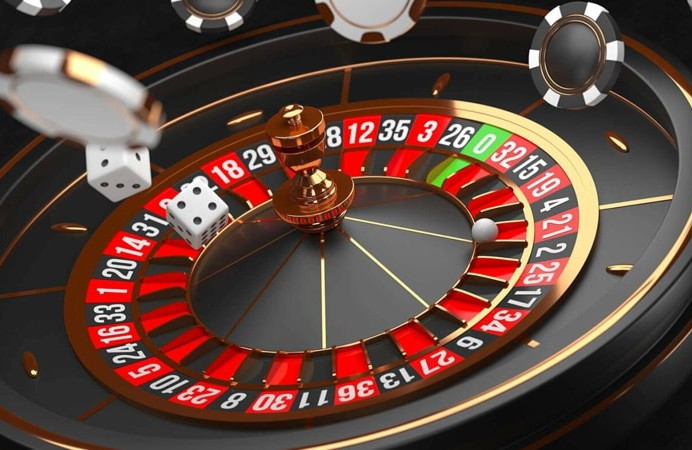
The gambler’s fallacy is the belief that past events can influence future outcomes in games of chance. For example, if a roulette wheel has landed on red several times in a row, some may think that black is “due” to occur. This line of thinking can lead to poor betting strategies and increased losses.
In reality, each spin of the wheel or roll of the dice is independent of previous results. Recognizing this fallacy is essential to maintaining a rational mindset while gambling. Awareness can help players avoid the pitfalls of superstitious thinking and make better choices with their bets.
Gambling as a Reliable Income Source
Another widespread myth is that gambling can provide a stable source of income. While some individuals may achieve short-term success, relying on gambling for financial stability is risky and often unwise. Most gamblers lose money over time, as the odds are stacked against them.
It’s crucial to view gambling as a form of entertainment rather than a financial strategy. Responsible players set budgets and treat their gambling expenditures like any other form of entertainment. By adopting this perspective, individuals can enjoy gambling without the stress of financial strain.
The Role of Skill in Gambling
While certain games require skill, such as poker or blackjack, many assume that skill is a significant factor in all gambling scenarios. This misconception can lead people to underestimate the randomness inherent in games like slots or roulette, where outcomes are determined by chance rather than skill.
Understanding the difference between skill-based games and games of chance is essential for all gamblers. Those who focus on skill can enhance their experience and potentially increase their winnings, but it’s crucial to acknowledge that luck also plays a significant role in the outcome.
Exploring Non-Gamstop Casinos
For those interested in online gaming alternatives, Non-Gamstop casinos offer unique features and benefits. These platforms allow players to enjoy a wide variety of games without the restrictions imposed by traditional self-exclusion programs. With flexible payment options and enticing bonuses, Non-Gamstop casinos cater to a diverse audience.
Whether you are new to gambling or an experienced player, exploring these options can enhance your gaming experience. Understanding the specifics of Non-Gamstop casinos can empower players to make informed decisions, ensuring they find the right platform that meets their gaming preferences while prioritizing responsible gambling practices.